
Gallery













If you want a mental health professional or therapist who understands BDSM, look for one who says they’re sex-positive, kink allied, or kink aware.
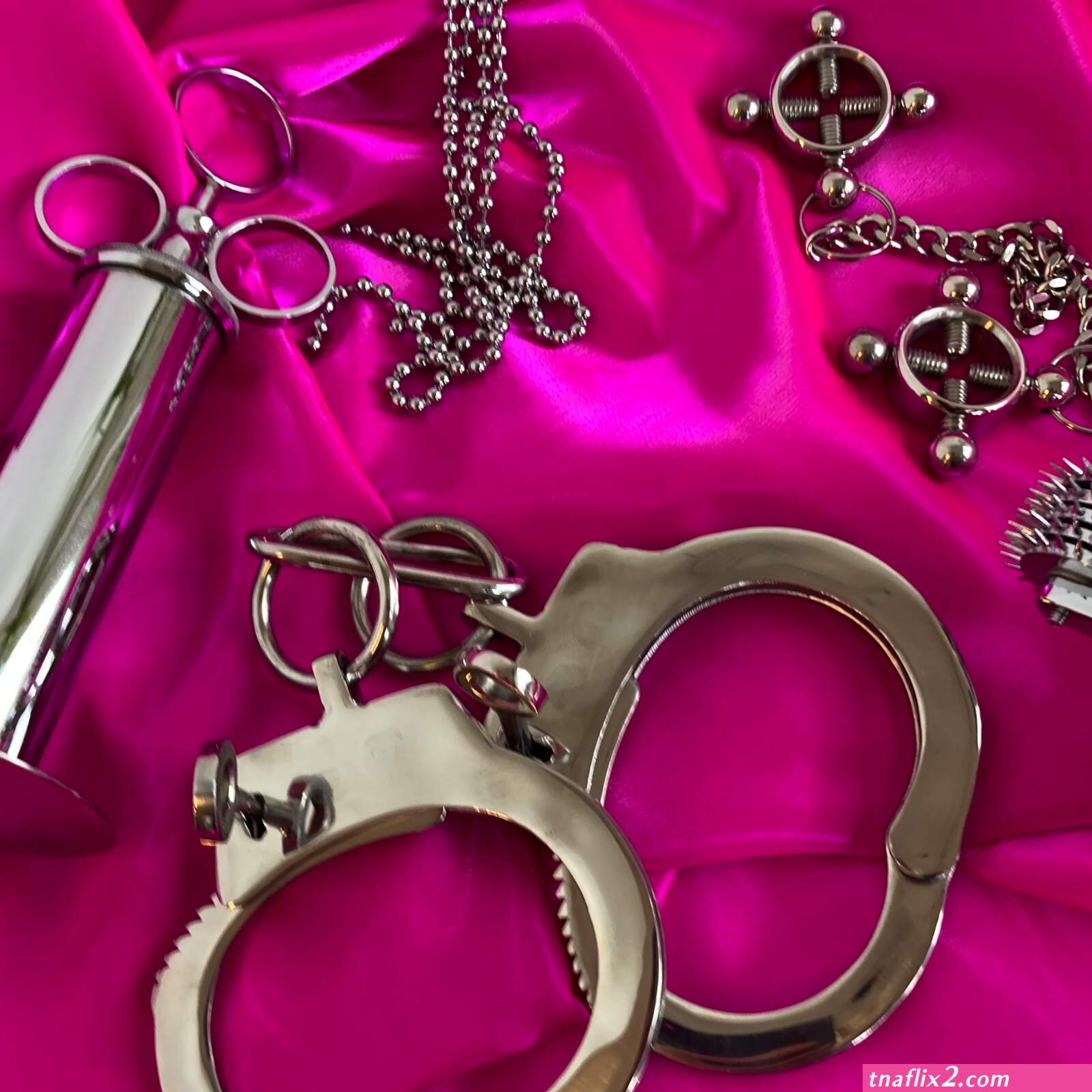
Handcuffs are also in this category, but they’re not recommended to newer BDSM practitioners because of their ability to cause actual harm from their hardness against the body or from losing a key and not being able to get unwound or unbound from something. You really don’t want to have to break out an angle grinder or metal clippers if you can help it – definitely not sexy.
It’s an evolution from a time where, if you did S&M, you might only do it with a professional for an hour, or you might just see it performed at a BDSM club. Now people have much more organic relationships, but they still call it a scene — the time when we bring out the toys or get into that headspace.
Use “safe words.” It might sound cheesy, but it’s a well-established norm in BDSM. Safe words are probably one of the most important norms that have spread across the community, even if people use them in different ways. For instance, not everyone uses safe words all the time after a while, but it’s important to start out with them. They can essentially be anything you want, as long as it’s something that you wouldn’t normally say during sex.
There’s also probably way more talking involved than there is with (most) vanilla sex. Whenever people question the role of consent in BDSM, they should consider the enormous amount of communication that occurs before, during, and after the scenes. Talk before doing anything. Talk about what you want to do, what your partner wants to do, your fantasies. Verbally negotiate the scene you and your partner want to engage in. Then, talk about it after.